
Skip
Roof replacement, repair and hail claim help for Englewood, Colorado.

Flat & Low-Slope Roofing on Englewood Additions
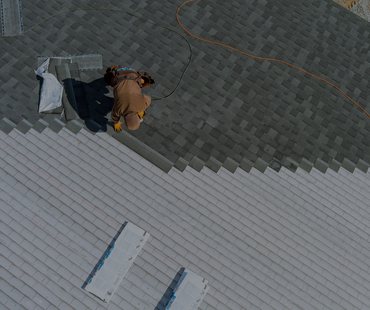
Englewood's housing history shows up on its rooflines. Porches were enclosed, additions were pushed off the back of ranches, garages were connected, and much of that mid-century work was built at 2:12 pitch or flatter. Shingles do not belong below 2:12, and even between 2:12 and 4:12 they need doubled underlayment laps under the city's rules. The result: a large share of Englewood homes carry a hybrid roof, shingle field plus a low-slope section, and the joint between the two is the single most common leak we find in this city.
Membrane Systems We Install
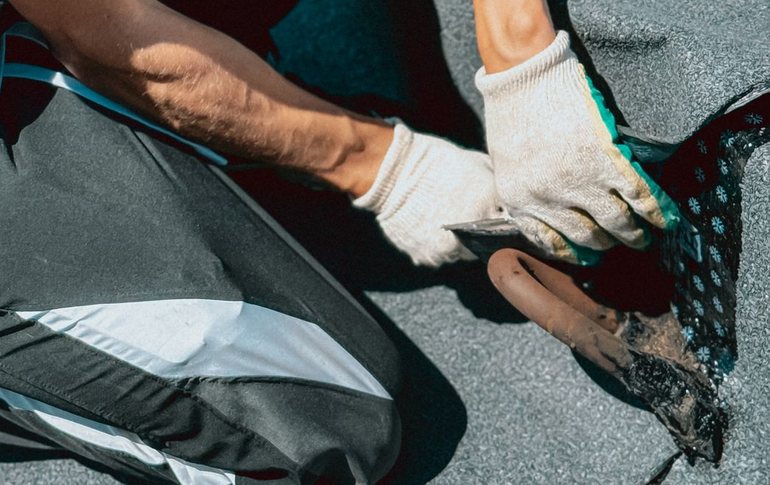
- EPDM rubber. The budget-friendly standard for small residential flats: 45 or 60 mil, fully adhered, quiet detailing around penetrations.
- TPO. Heat-welded seams and a reflective white surface that earns its keep over living space in Colorado sun.
- Modified bitumen. Two-ply toughness for patios and additions that see foot traffic, and the most forgiving system to repair later.
On every hybrid roof we detail the transition properly: membrane carried up under the shingle field, metal counter-flashed, and ice barrier tied through so freeze-thaw water moving off the upper slope has nowhere to sit. Snow loads here run to a 30 pound design standard per the city amendments, and a ponding low-slope section is where that load actually accumulates.
Repair, Re-Cover or Replace on Low-Slope Sections
Small membrane punctures and open seams are honest repairs. A weathered but dry membrane can sometimes take a re-cover. Saturated insulation or a spongy deck means replacement, and on additions from the 1950s and 60s we check the deck carefully, because these were not always built to the standard of the main house. The inspection tells us which path fits; the written scope commits to it in line items, not vibes, and if a cheap patch will honestly hold for three more years, that is the option we write first.
Choosing Between EPDM, TPO and Modified Bitumen
The three membranes solve the same problem with different personalities, and the right pick usually falls out of three questions. What is under the roof? Over living space, TPO's reflective white surface earns its keep against Colorado sun, keeping the rooms below cooler in July; over a garage or porch, EPDM's lower cost wins the same argument. Will anyone walk on it? Additions that double as deck access or hold condenser units favor modified bitumen's two-ply toughness, because a membrane that sees foot traffic needs forgiveness more than elegance. And who repairs it in year fifteen? EPDM and modified bitumen patch simply with materials any competent roofer stocks; TPO wants a crew with a heat welder and the habit of using it. We quote the fit, not a favorite, and on small Englewood sections the labor to detail the edges and transition matters more to the final price than the membrane brand does.
Why Englewood Carries So Much Low-Slope Roofing
It is the city's remodeling history written in tar and rubber. The housing stock went up fast in the postwar years, modest footprints on modest lots, and then spent seventy years being adapted: porches enclosed into dining rooms, kitchens pushed off the back, breezeways roofed to connect a detached garage. Almost none of that add-on work matched the main roof's pitch, because framing a full gable over an addition costs real money and a shed roof at 2:12 does not. Multiply that by 16,000 housing units and you get a city where the hybrid roof is closer to the rule than the exception. The practical consequence for homeowners: your roof is really two roofing systems sharing a house, they age on different clocks, and the contractor maintaining one needs to be fluent in both. A shingle crew that treats the flat section as an afterthought is the origin story of most of the transition leaks we repair.
Drainage, Ponding and Snow Load on Englewood Flats
Water is supposed to leave a roof; on a tired low-slope section it forgets how. Decades of settling take an addition built at a nominal 2:12 down toward flat in the middle, and water that stands 48 hours after a storm is shortening the membrane's life every week it recurs. Snow compounds the problem: the city's amendments design to a 30 pound snow load, and the place that load actually accumulates is the low-slope shadow zone where the upper field sheds onto the addition. When we replace a flat section we fix the geometry, not just the skin: tapered insulation to re-establish fall, scuppers or drains sized and placed where the water actually goes, and edge metal that directs runoff into gutters instead of behind the fascia. Freeze-thaw does the rest of the argument for us; ponded water that freezes works every seam it touches, all winter, and the section that drains in an hour simply does not have that fight.
Hail Claims on Low-Slope Membranes: an Underdog Story
Hail treats membranes differently than shingles, and insurance scopes often shortchange them for exactly that reason. A stone that would leave an obvious bruise on asphalt can hit EPDM and leave little surface evidence while crushing the insulation underneath; the roof then wears from the inside as the membrane flexes over broken substrate. Adjusters who rarely see residential membrane work tend to write those sections off as maintenance. Our documentation approach for hybrid roofs after events like June 1, 2026: core-relevant photos of the substrate where accessible, dent evidence on the flat section's metal edges and penetrations, and the storm-date record for the address, presented alongside the shingle-field test squares so the claim covers the whole roof, not just the photogenic half. If your hybrid roof sat under a verified swath, have both systems inspected together; the claim only gets one chance to be written right.
A Maintenance Calendar for Low-Slope Sections
- Spring: clear the winter's debris from drains and scuppers, check seams and penetration boots after freeze-thaw season, and look for new ponding patterns before hail season starts.
- After any storm: walk the perimeter for displaced edge metal and check ceilings below the section; membrane damage announces itself indoors more often than shingle damage does.
- Fall: get the cottonwood litter off before it composts into the drains; a clogged scupper in January is an ice block by February.
- Every few years: a professional look at seam adhesion and flashing terminations, ten minutes that routinely buys years.
None of this is exotic, which is the point: a low-slope section that gets this modest attention regularly outlives its warranty, and one that gets ignored fails at the seams years early. We fold the flat-section check into every free inspection on a hybrid roof, photograph the drains and seams the same way we photograph shingle slopes, and note the membrane's remaining life in the same report, so both halves of the roof get planned for on the same calendar instead of surprising you in different years.